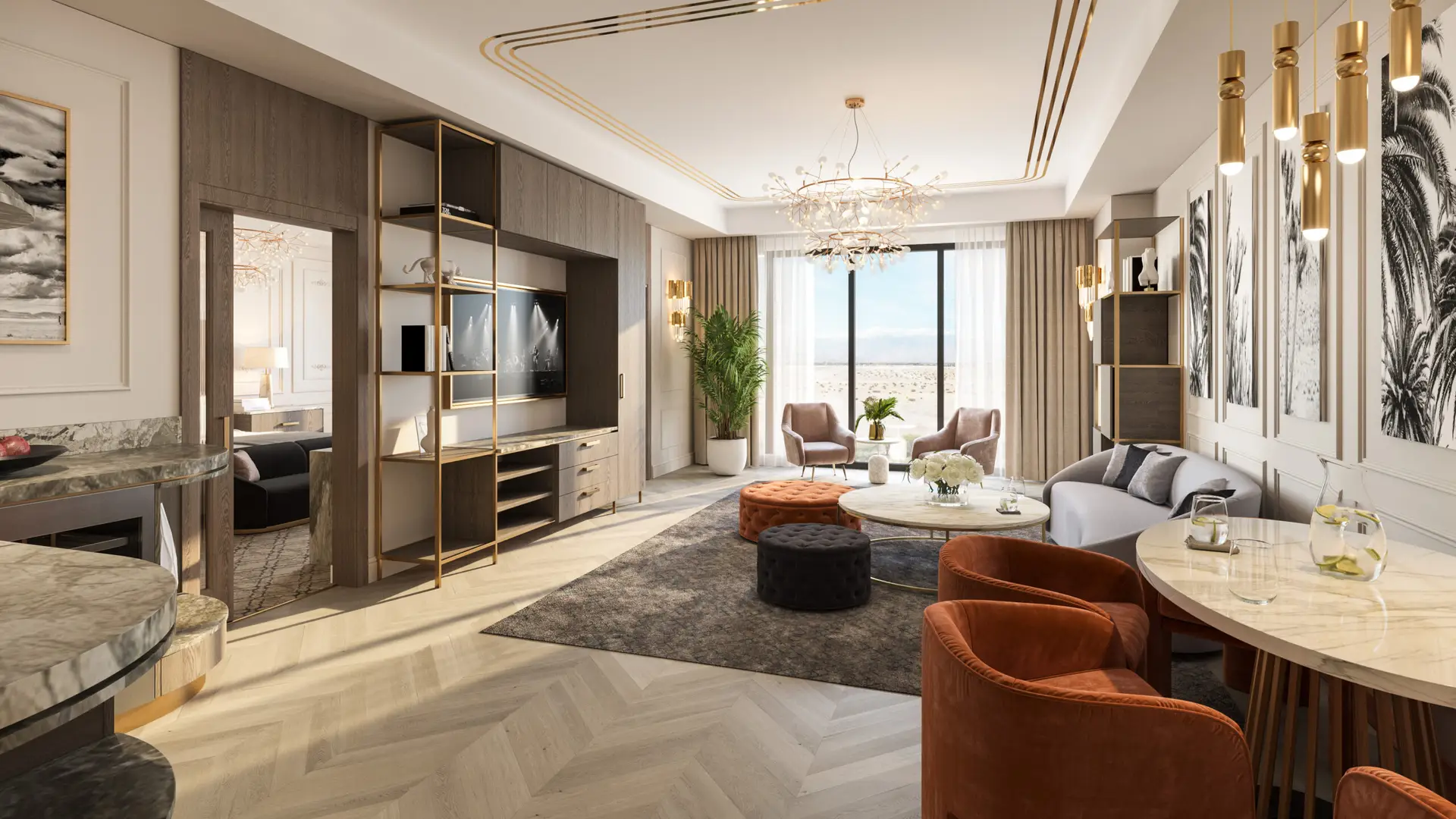
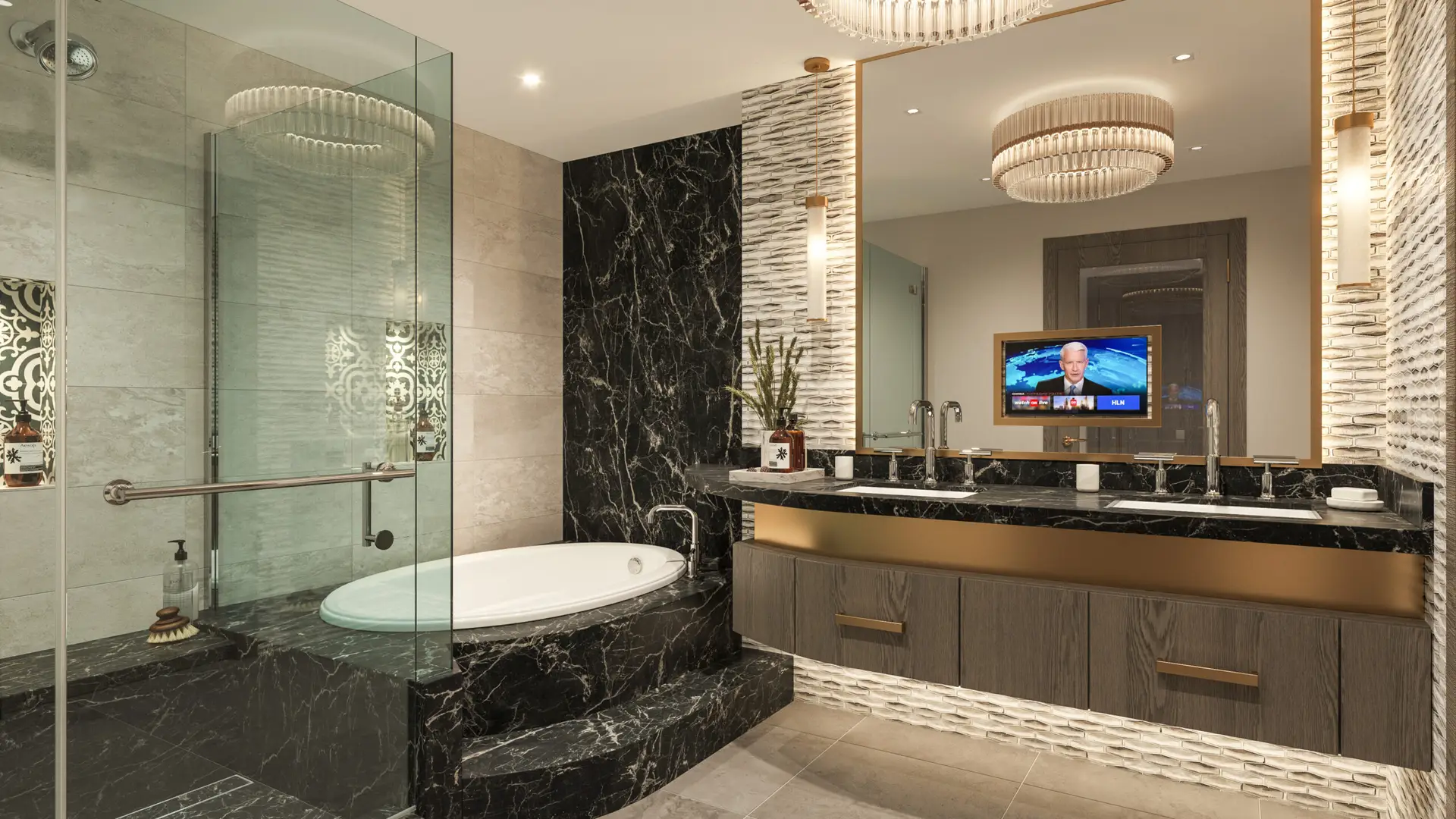
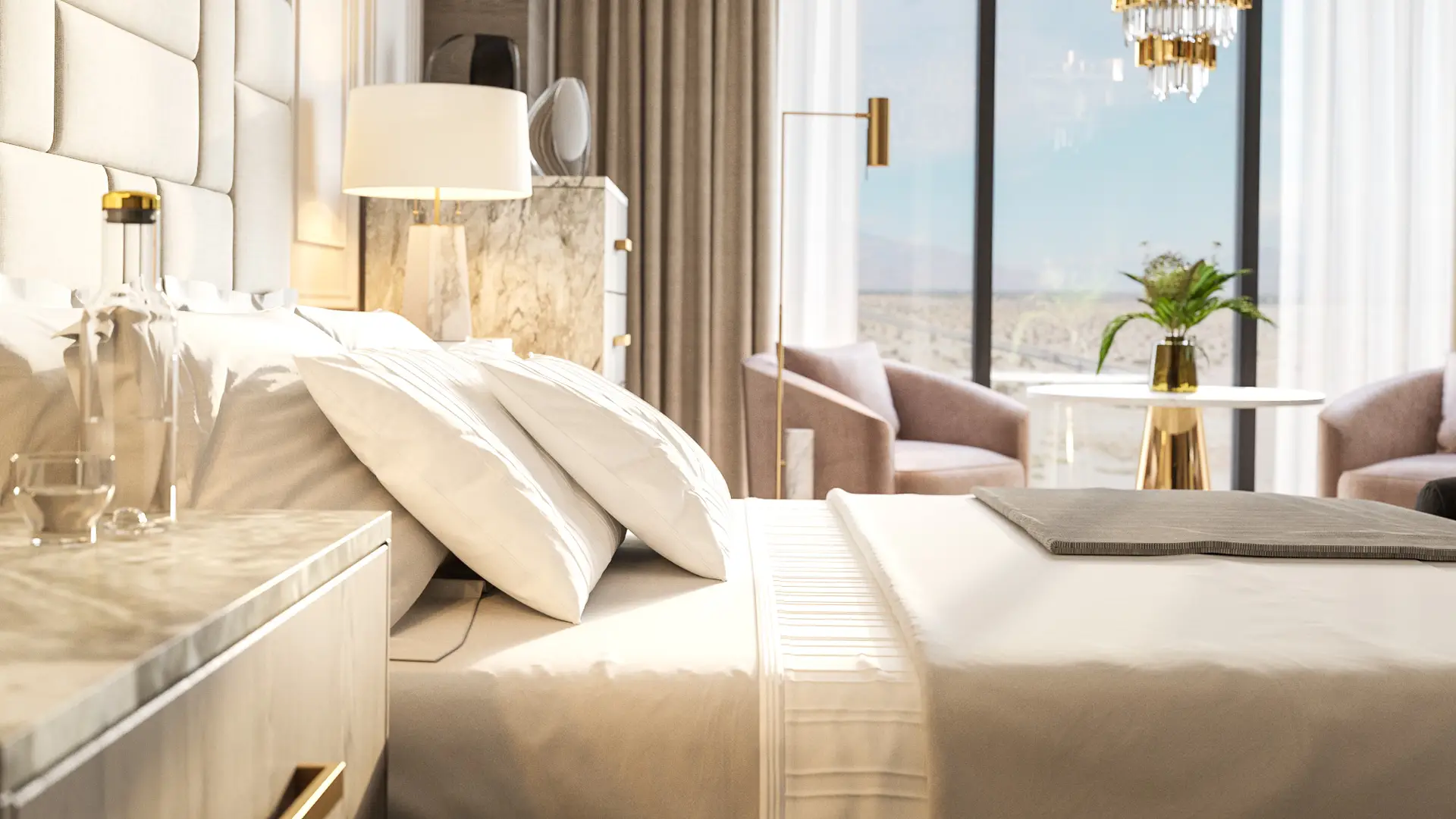
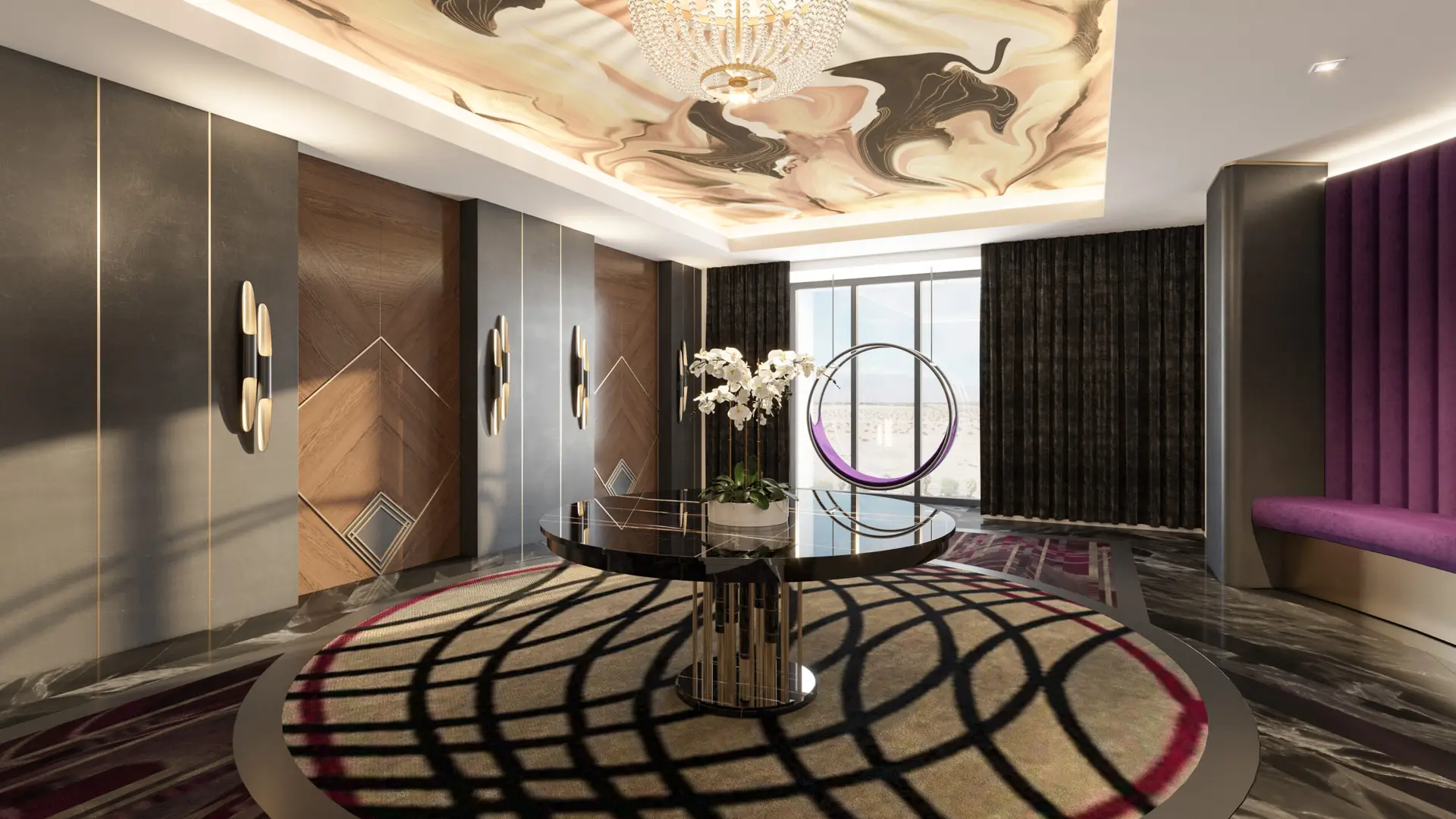
Renovating a hotel takes more than choosing a new look. The furniture, fixtures and equipment you select, how you buy them and when they arrive decide whether the project reopens on schedule and on budget. This guide covers what hotel owners should plan for before ordering a single chair. If you’d rather have a partner manage the buying, see our FF&E procurement services.
In the highly competitive hospitality industry, every design decision has a direct impact on guest experience and profitability. FF&E procurement, the process of sourcing furniture, fixtures, and equipment, plays a pivotal role in enhancing a hotel’s aesthetic and operational functionality. However, it’s not just about aesthetics—effective FF&E procurement can significantly boost a hotel’s ROI, aligning design with financial goals.
1. Understanding the Role of FF&E Procurement in Hospitality
FF&E procurement is often overlooked when calculating the long-term success of a hospitality project. Beyond simply filling a space, it involves selecting materials and products that elevate the guest experience and withstand high usage, while also integrating seamlessly into the overall design vision. By focusing on smart procurement strategies, hotels can create timeless, functional environments that reduce future refurbishment costs.
2. Key Considerations for Maximizing ROI Through FF&E
Durability vs. Aesthetic Appeal: Striking the right balance ensures long-term value. Choosing materials that are both beautiful and durable reduces future repair and replacement costs
Sustainable and Locally Sourced Materials: Hotels today need to appeal to eco-conscious guests. Leveraging locally sourced and sustainable materials can enhance a hotel’s brand image while reducing procurement costs
Customization and Scalability: Tailoring FF&E to a hotel’s specific needs, rather than opting for off-the-shelf solutions, can boost operational efficiency and guest satisfaction.
3. Best Practices for a Successful FF&E Procurement Process
To get the best ROI, hotel owners must adopt an integrated approach to FF&E procurement. By involving FF&E specialists early in the design process, hotels can avoid delays and ensure that all elements are aligned with the overall vision. Collaborative partnerships between our interior architects and designers with subcontractors, logistical support, and suppliers help streamline the process, resulting in cohesive designs that appeal to both guests and investors.
Effective FF&E procurement is essential for hotels looking to stay competitive. By considering durability, sustainability, and customization, hotels can maximize their ROI, creating spaces that not only attract guests but also stand the test of time. With careful planning and a focus on strategic procurement, your hospitality project can achieve both aesthetic excellence and financial success
4. Renovating to a Brand PIP
Most branded hotels renovate against a Property Improvement Plan, or PIP, the list of upgrades the brand requires. Treat it as a scope document and not only a checklist:
- Price it early. Break the PIP into line items and price each one against your renovation budget before design decisions harden.
- Separate required from optional. Mark which items the brand requires and which are your own upgrades, so a budget cut never removes something you need for approval.
- Look for lower-cost alternates. Different sources, materials and methods can meet the same brand standard for less. Confirm any substitution with the brand before you order.
- Plan for lead times. Custom and imported pieces take longest, so they set your schedule.
We offer a free PIP review. Send us your PIP and we’ll review the FF&E scope and budget.
5. Phasing a Renovation in an Operating Hotel
Many hotels renovate in stages, a floor or wing at a time, so deliveries have to match the rooms coming out of service. A few practices keep that on track:
- Approve a model room first. Build and sign off on one room before production begins, so every later room matches.
- Verify quantities room by room. Hotels often have several guestroom configurations and specialty-sized pieces, and each one needs its own count.
- Line up the warehouse and installer with the schedule. Goods should arrive when rooms are ready, not before.
- Keep a punch list for every phase, not only at the end of the project.
On the DoubleTree by Hilton San Diego – Mission Valley renovation, 219 guestrooms, we coordinate from model-room development through full production, with room-by-room verification for multiple guestroom configurations.