The Definition of Hospitality Is Expanding
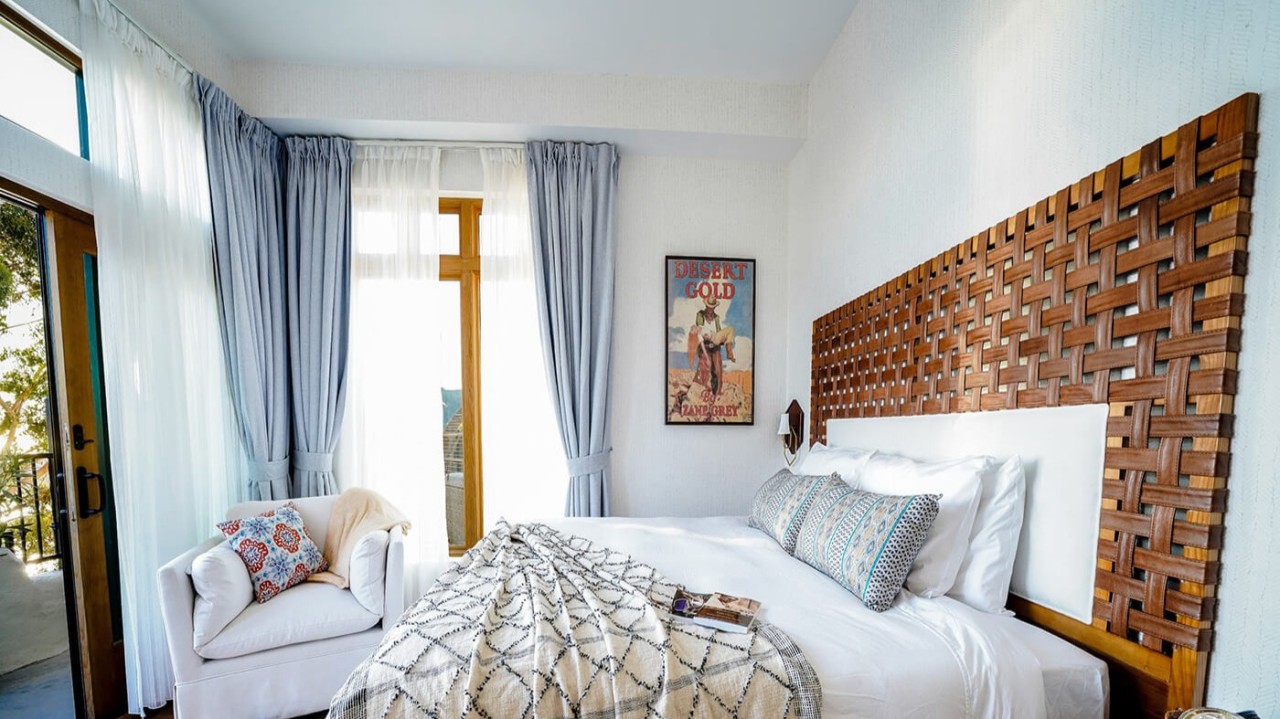
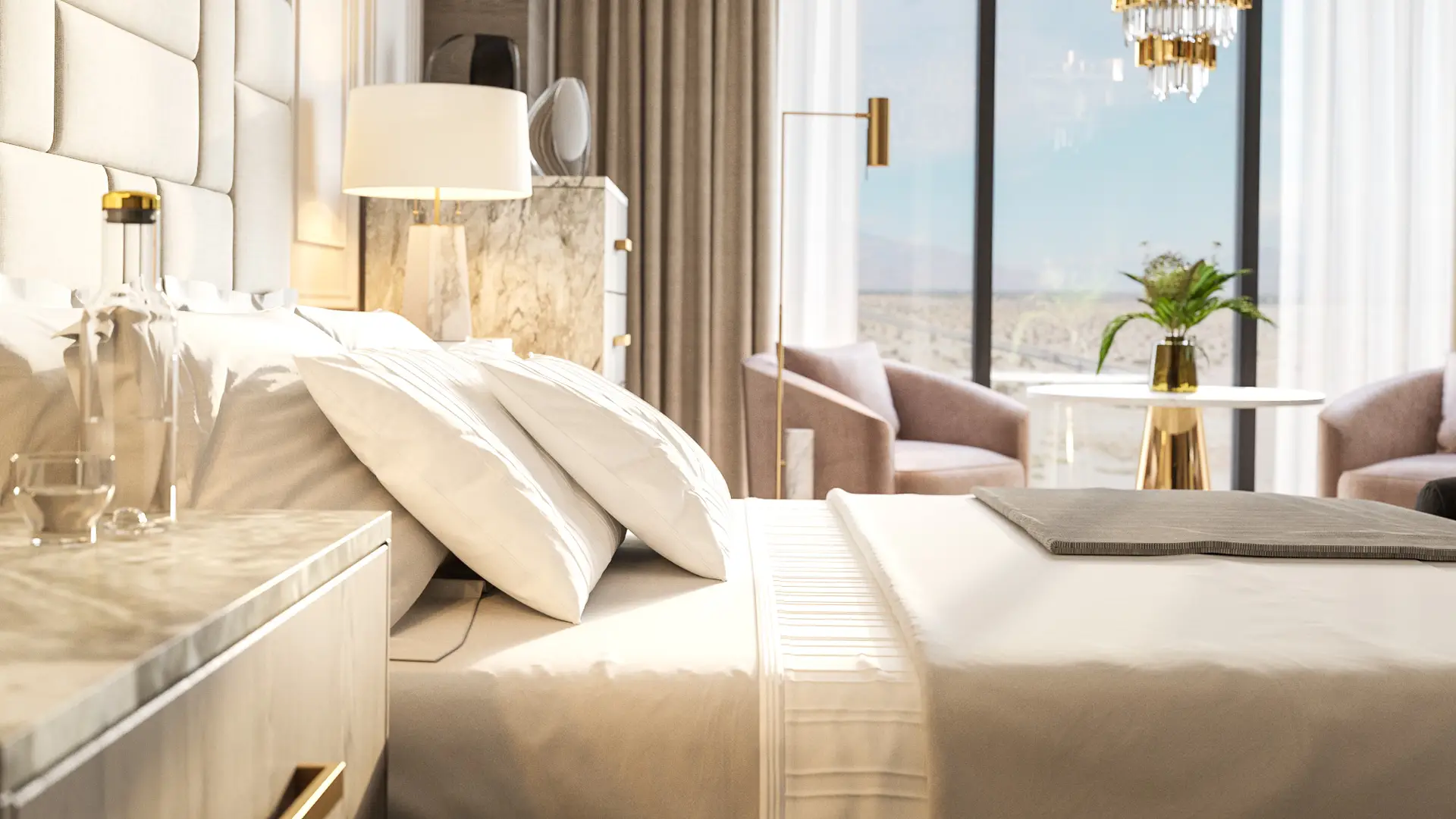
Not long ago, hotels were designed primarily for travelers. The focus was straightforward. Create comfortable guestrooms, provide quality service, and give visitors a place to stay.
Today’s most successful properties have a much broader vision.
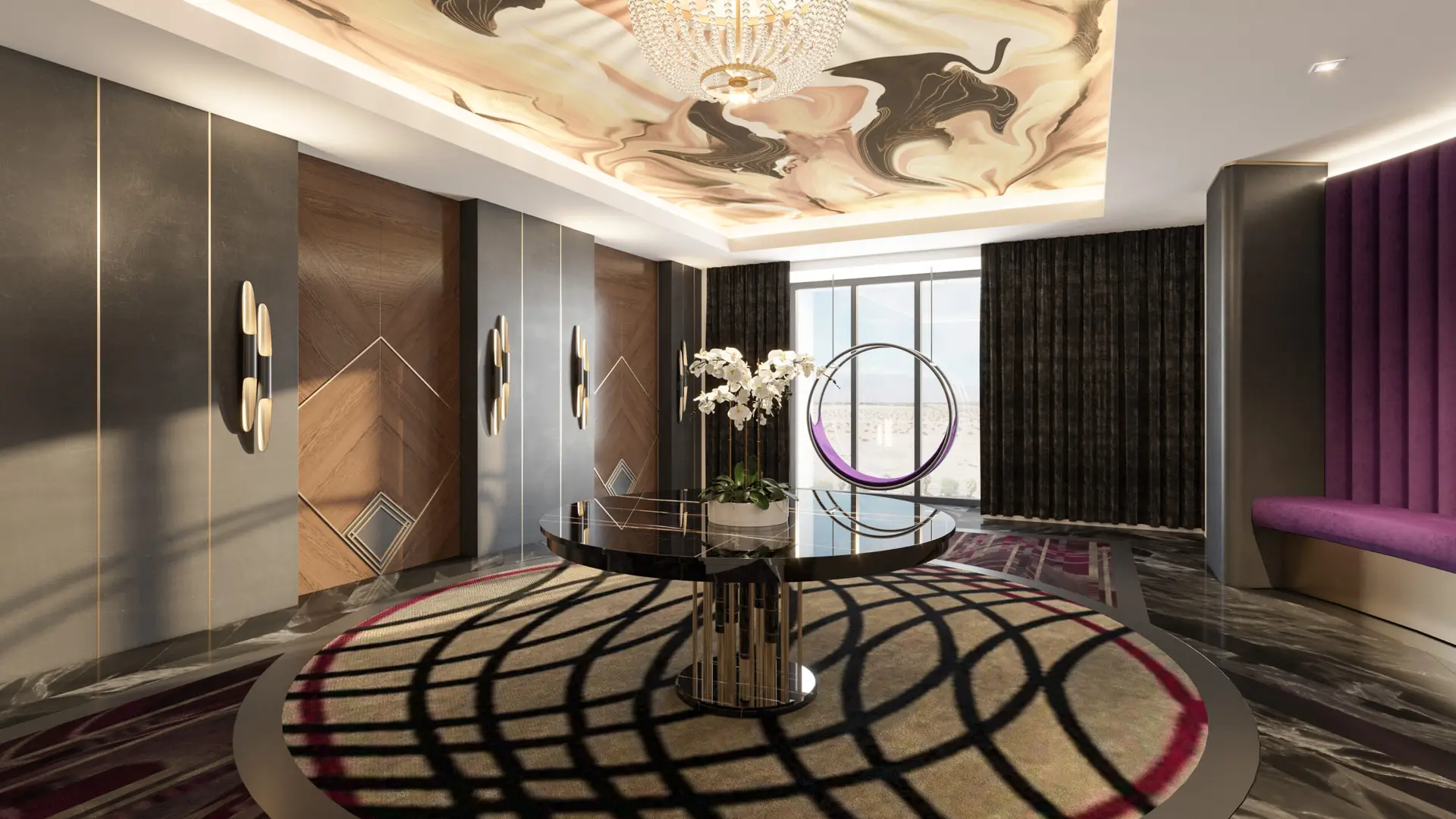
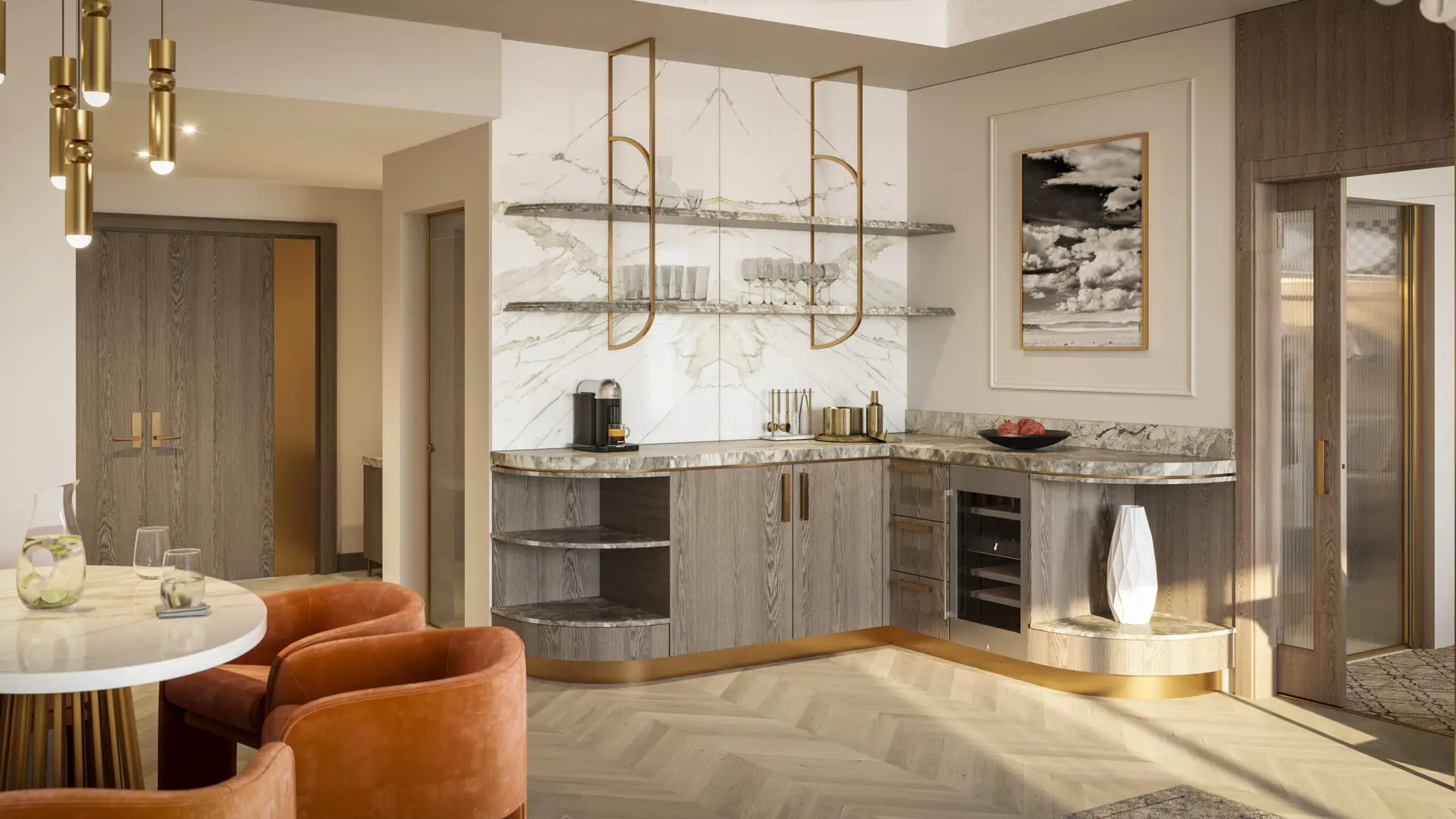
They are becoming destinations in their own right. Hotels are creating spaces that attract local residents alongside overnight guests through restaurants, rooftop lounges, wellness amenities, retail experiences, and public gathering spaces. The property becomes part of the community instead of existing separately from it. Industry leaders describe this as “destination-first” thinking, where design strengthens the relationship between the hotel and its surrounding neighborhood.
Why Owners Are Investing Beyond Guest Rooms
The economics behind this trend are compelling.
When local residents regularly visit your restaurant, rooftop bar, coffee shop, or event space, the property generates activity throughout the day rather than relying solely on overnight occupancy.
This creates additional revenue opportunities while introducing the hotel to potential future guests.
It also strengthens the property’s identity within the community. Instead of being known as simply another hotel, it becomes a place people recommend for dinner, meetings, celebrations, or weekend gatherings.
Design Has to Support That Vision
Creating a destination property starts with thoughtful planning.
Public spaces need to feel welcoming to someone stopping in for lunch just as much as they do for someone checking in for a four-night stay.
Restaurants should have their own identity while still feeling connected to the overall brand. Outdoor spaces should encourage people to linger. Meeting areas should transition naturally from business during the day to social gatherings in the evening.
When every space has a clear purpose, the entire property becomes more valuable.
Building Long-Term Relevance
One of the biggest challenges facing hotels today is staying relevant in an increasingly competitive market.
Destination-first design helps solve that challenge because it creates reasons for people to return again and again, even when they are not traveling.
That ongoing relationship builds familiarity, loyalty, and stronger brand recognition over time.
The future of hospitality is not simply about filling rooms.
It is about creating places where people genuinely want to spend time.
When design supports both travelers and the local community, the property becomes more resilient, more profitable, and far more memorable.
If you’re planning a renovation, ask yourself one question.
Would someone who lives five minutes away choose to spend an evening at your property?
If the answer is yes, you’re building something much bigger than a hotel.