Wellness Is No Longer an Amenity
For years, wellness in hospitality was relatively easy to define.
You built a beautiful spa, added a fitness center, perhaps incorporated a yoga program, and checked the wellness box.
That’s changing.
Luxury travelers are increasingly looking at wellness as something that should be integrated into the entire stay. Hotel Management recently highlighted wellness-first design as a significant shift in luxury hospitality, with comfort, nature, and restoration extending throughout the guest journey rather than being confined to the spa. Hotel Management
For hotel owners, that creates an interesting design opportunity.
The question is no longer simply, “How good is our spa?”
It’s becoming, “How does this property make someone feel?”
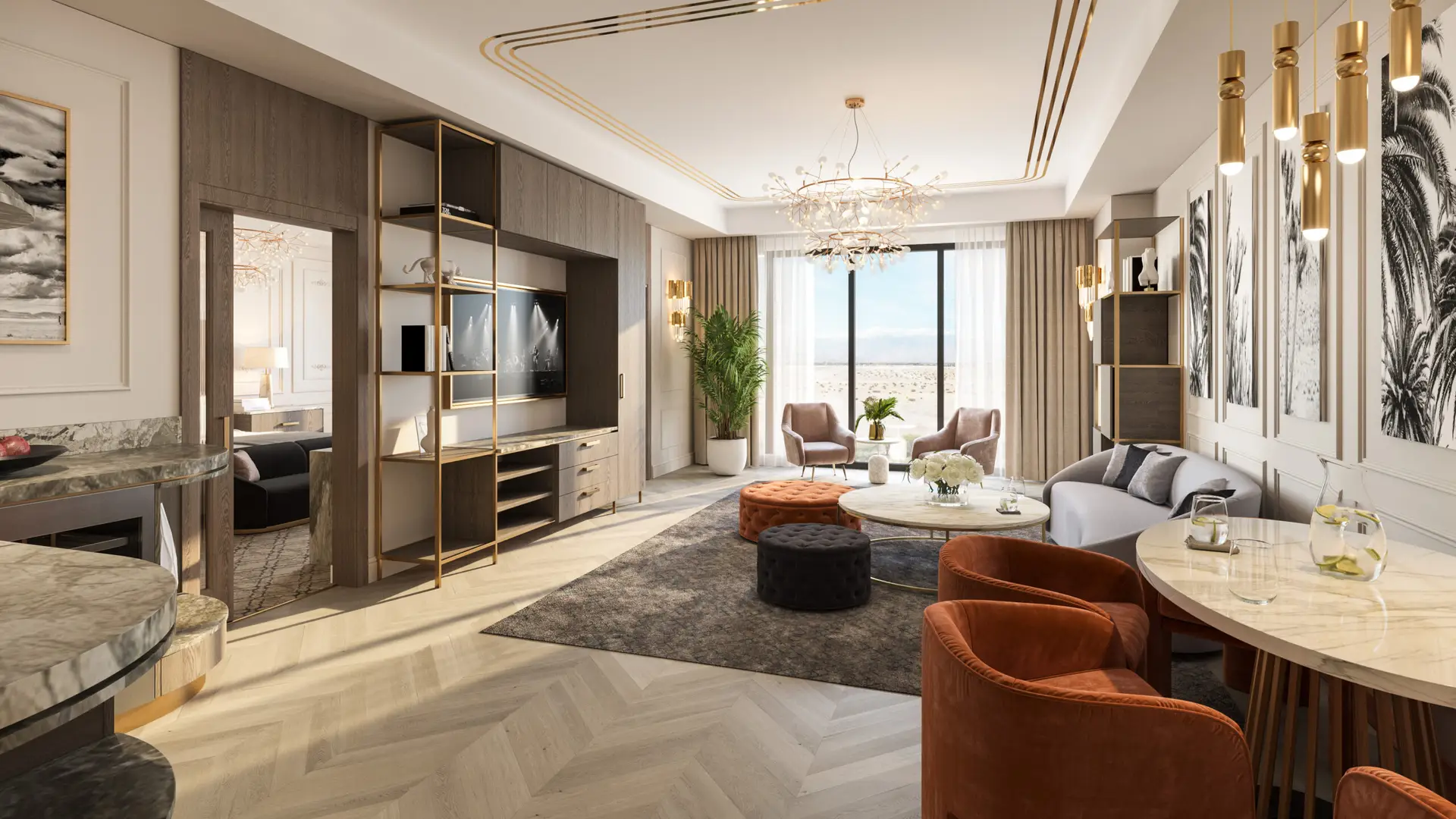
The Guestroom Is Becoming a Wellness Space
One of the biggest changes is happening inside the guestroom.
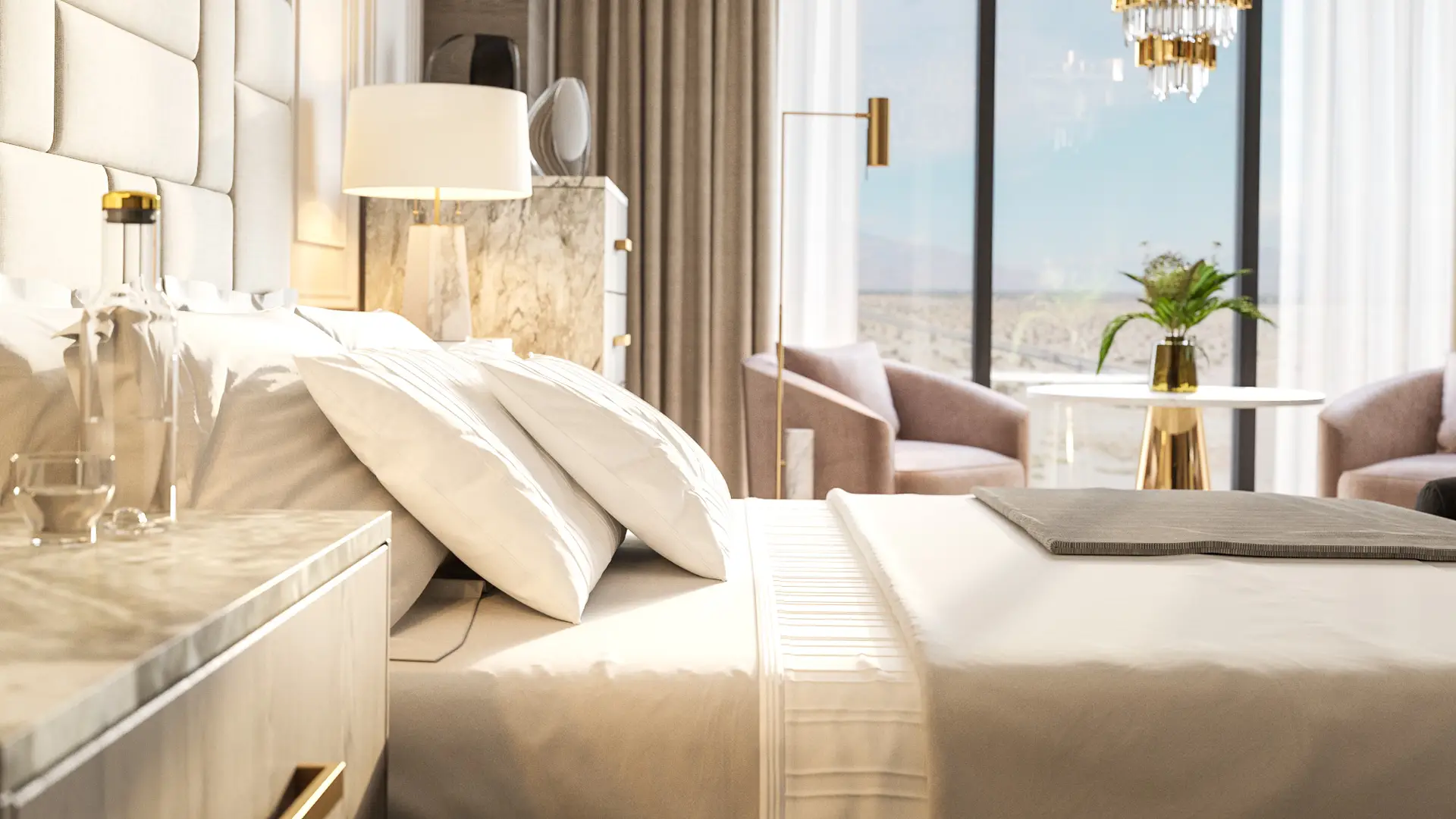
Sleep has become a major focus in luxury wellness travel. Affluent travelers are seeking experiences built around better rest and recovery, and hotels are responding with everything from circadian lighting and sleep-focused programming to in-room fitness and recovery options. Forbes
But wellness-first design doesn’t necessarily require filling guestrooms with expensive technology.
Sometimes the fundamentals matter more.
Can the room become truly dark at night? Is it quiet? Is the lighting harsh or calming? Does the layout feel cluttered? Can a guest comfortably stretch, work, relax, and sleep without constantly rearranging the room?
Those aren’t necessarily “wellness amenities.”
They’re good design.
And in the luxury sector, guests increasingly notice the difference.
Designing for Recovery
Travel can be exhausting.
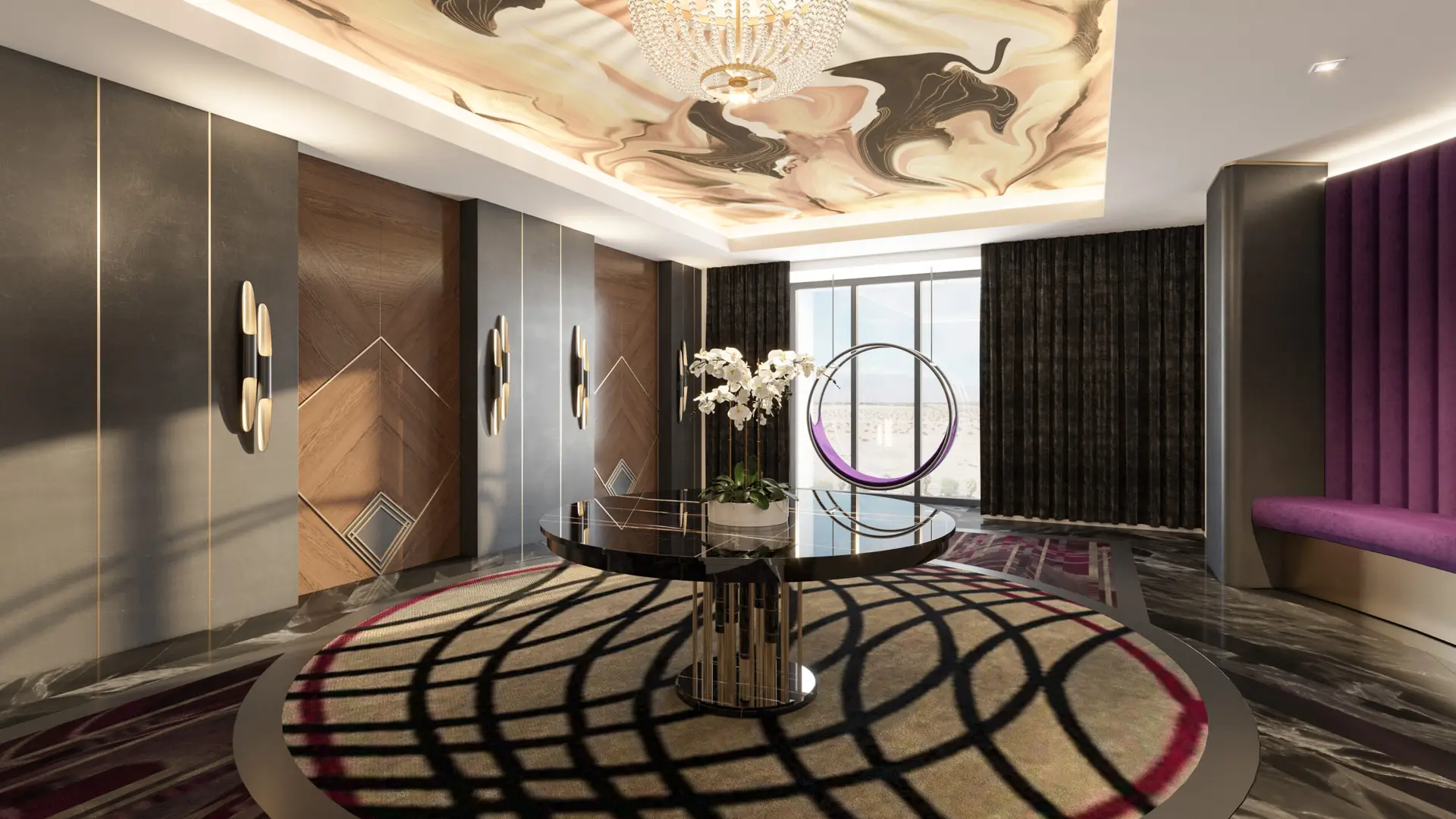
Guests arrive after long flights, crowded airports, meetings, events, or days spent exploring a destination. A luxury hotel has an opportunity to create an immediate transition from that outside stimulation into an environment that feels restorative.
That can begin at arrival.
Lighting, acoustics, landscape, material choices, scent, temperature, and circulation all influence the way someone experiences a space.
A quieter arrival can immediately lower the energy level. Natural materials can soften a space. Thoughtfully positioned outdoor areas can create opportunities to step away without requiring guests to formally “do” anything.
Wellness doesn’t always need to be programmed.
Sometimes it needs to be designed.
From Fitness Centers to Recovery Environments
We’re also watching the traditional hotel fitness center evolve.
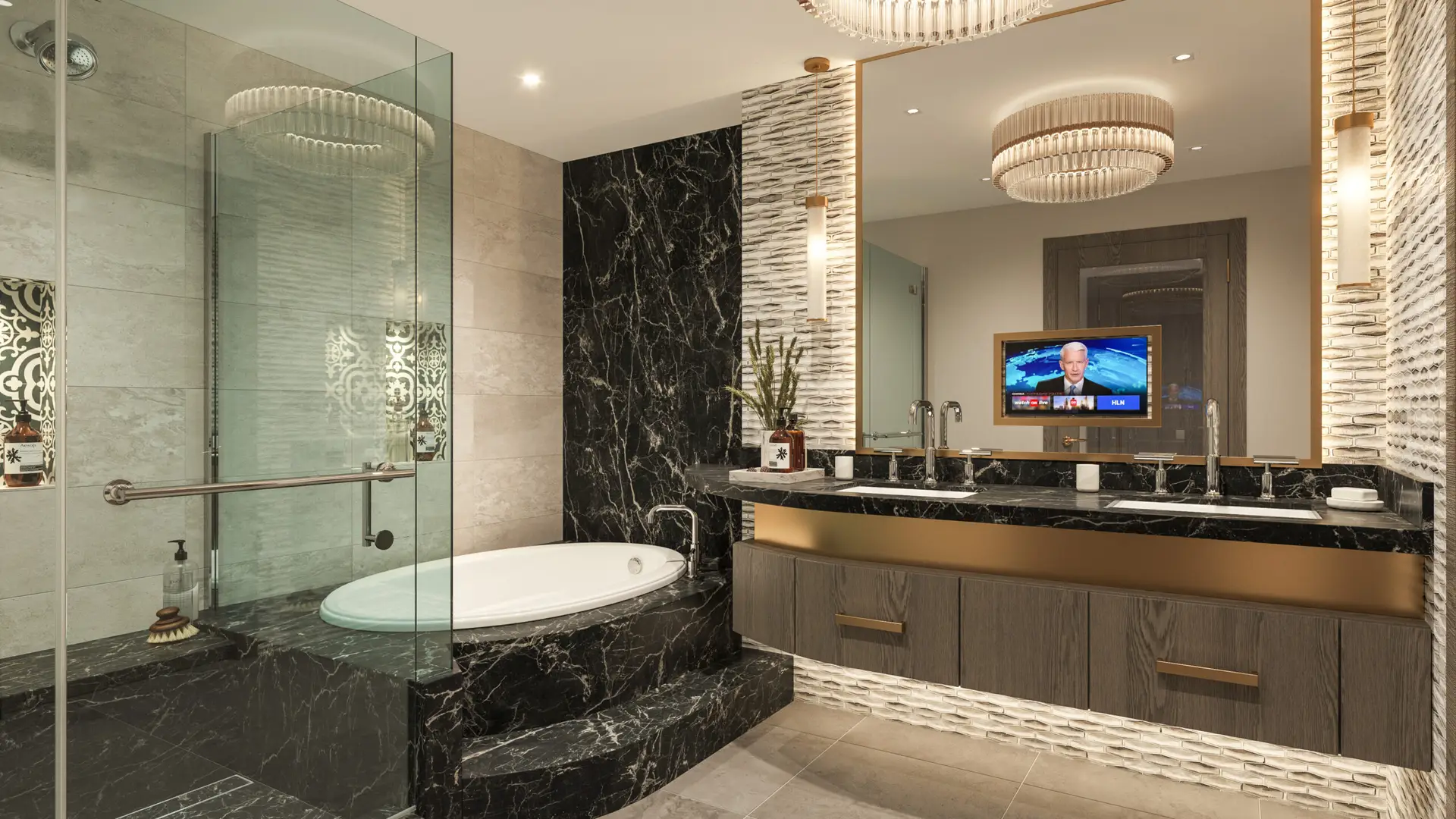
The luxury wellness conversation now includes recovery, longevity, hydrotherapy, thermal experiences, meditation, sleep, and increasingly sophisticated treatments. Some of the most notable new hotel spas of 2026 are incorporating recovery floors, science-backed longevity programs, red-light therapy, hydrotherapy, and medical-grade treatments. Condé Nast Traveler
That doesn’t mean every luxury hotel needs a clinical wellness center.
It does mean owners should think carefully about what their guests actually want from wellness.
A resort guest may want a completely immersive experience.
A luxury business traveler may simply want excellent sleep, a great shower, healthy food, and a convenient place to exercise.
Understanding that guest should drive the design.
Wellness Has to Feel Like Hospitality
There is one caution I would add.
Luxury hospitality shouldn’t start feeling like a doctor’s office.
Technology and optimization can be impressive, but guests are still traveling because they want an experience.
The strongest wellness spaces balance performance with warmth.
They make people feel cared for without constantly reminding them that they’re being “optimized.”
That’s where hospitality design becomes particularly important.
What Owners Should Consider During Renovation
If you’re preparing for a renovation, look at wellness beyond the spa.
Walk through the property from the perspective of a tired guest.
Pay attention to the transition from arrival to room. Sit in the guestroom at night. Listen to the acoustics. Look at the lighting. Experience the fitness and spa areas as a guest would.
Then ask a simple question:
Does this property help someone feel better than when they arrived?
That may become one of the most important measures of luxury hospitality.
Final Thoughts
Luxury wellness is moving beyond treatments and amenities.
It’s becoming part of the architecture, interiors, guestrooms, food and beverage experience, landscape, and overall rhythm of a stay.
For owners planning renovations, that’s a tremendous opportunity.
Because the future of wellness hospitality may not be about adding more things for guests to do.
It may be about designing a property that finally gives them permission to do less.