Why Flexible Hospitality is Becoming Fundamental
In 2026, flexibility is no longer a design buzzword. It is a strategic imperative. Two major structural shifts in hospitality — the rise of extended-stay properties and the proliferation of dual-brand developments — are reshaping how we think about space planning, guest experience, and operational efficiency. These trends respond directly to evolving travel patterns, demographic shifts, and economic realities shaping the industry.
Extended-Stay Properties Answer New Guest Expectations
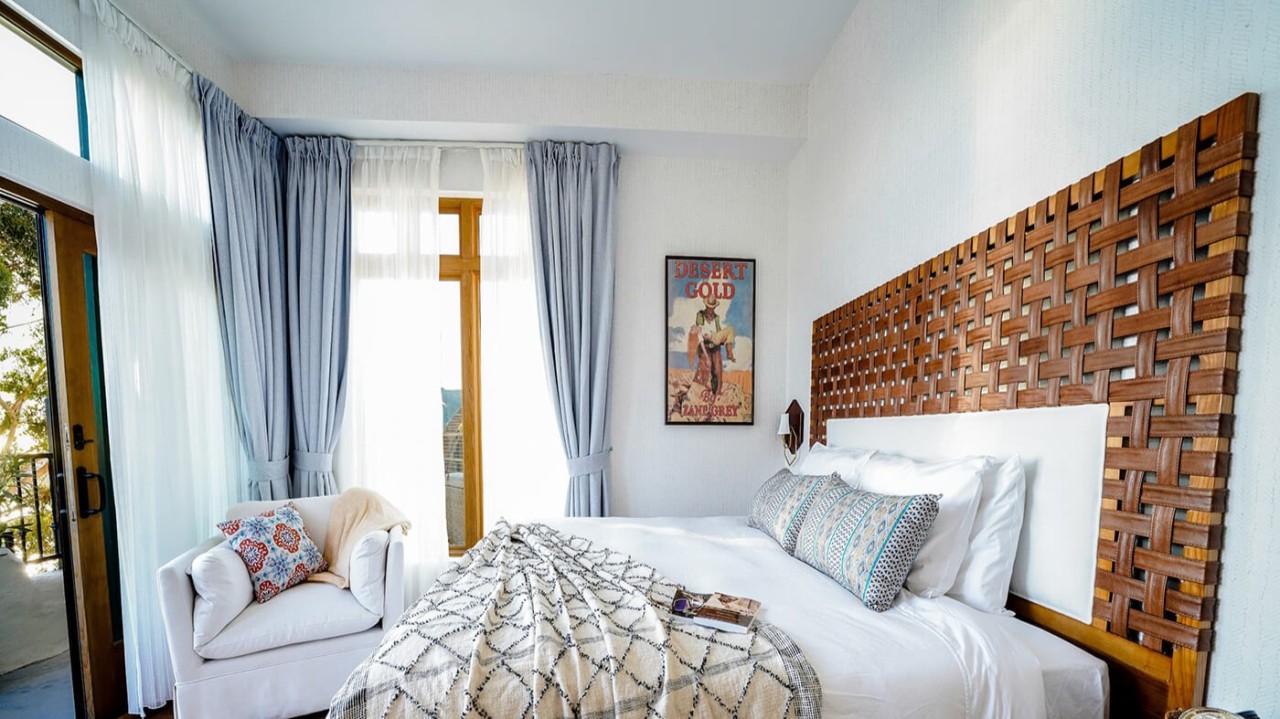
Extended-stay hotels have become a major design focus because they reflect how people are traveling. Remote work, longer vacations, blended lifestyles, and multi-purpose travel mean that guests want spaces they can live in, work in, and feel comfortable infor longer periods.
In response, design is prioritizing flexibility and comfort within individual rooms and suites. Modular furniture, thoughtful storage solutions, and adaptable zones create rooms that feel like a hybrid between a home, a hotel suite, and a workspace. These spaces need to be functionally resilient because they are used in so many different ways.
Dual-Brand Properties Balance Markets and Maximize Efficiency
Dual-brand developments — where two distinct hotel brands share a single footprint — are also gaining traction. This approach allows owners to capture multiple market segments and maximize profitability while still providing tailored experiences for different guest types.
Instead of building new inventory, properties can be repositioned or converted to adapt to changing demand with greater financial efficiency. Shared amenities like fitness centers, lobbies, and F&B spaces help streamline operations while preserving each brand’s identity.
How Designers Are Responding
Designers are taking these trends seriously because they fundamentally alter how guests use space. A room that may serve a business traveler during the week might need to feel completely different for a family on a long stay. As a result, successful renovation plans are prioritizing flexible furniture, multi-purpose layouts, integrated technology, and layered functionality.
Public spaces are also evolving to support movement and socialization, whether for work, community or leisure. Ultimately, this isn’t just good design. It’s design that supports how people actually live, work, and travel.
These structural shifts are playing out in both hotel and casino resorts, and aligning your renovation strategy with them can significantly enhance market relevance and long-term performance.