The Shift Toward Purposeful, Immersive Spaces
Hospitality design in 2026 is not just about aesthetics or comfort. It’s about crafting spaces that create intentional experiences. Moments that feel purposeful, memorable, and deeply connected to the guest’s emotional journey.
Guests today don’t simply want to “stay.” They want to feel something. Whether it’s tranquility, excitement, or a sense of restoration, design now plays a direct role in shaping these emotional outcomes. This trend toward intentional experiences reflects a broader evolution in guest expectations.
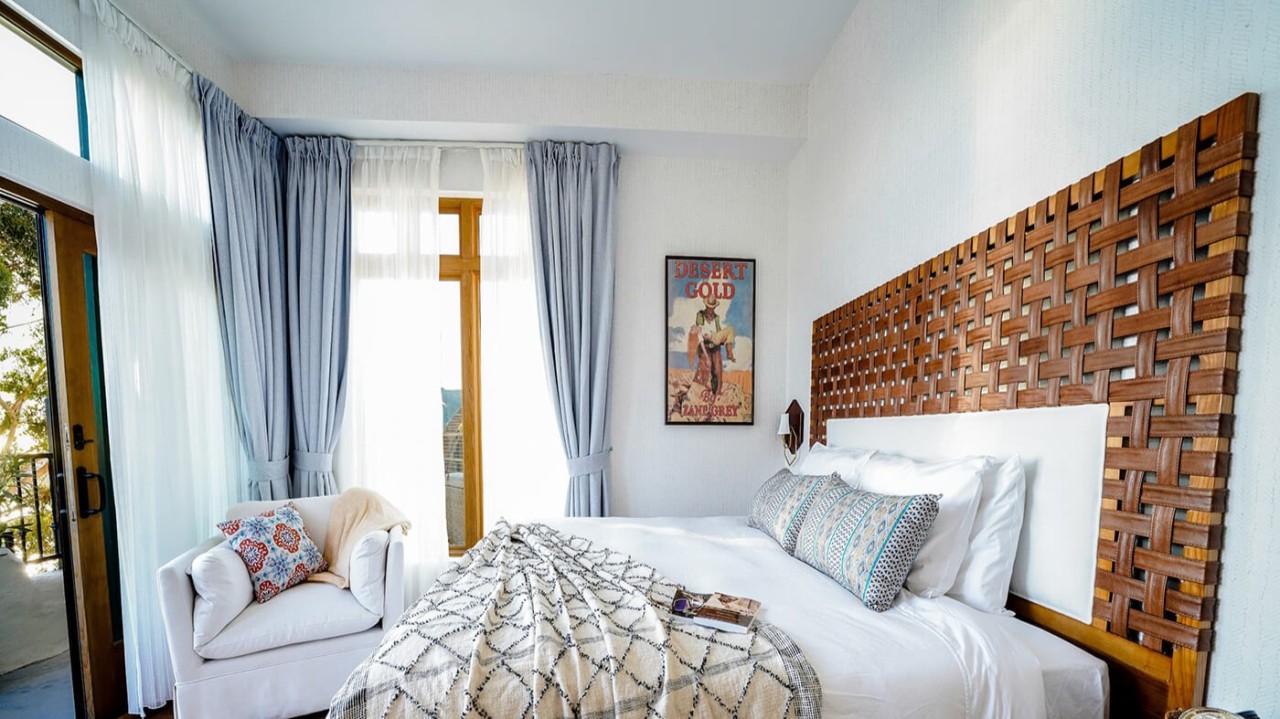
According to leading design voices, whether through outdoor-inspired retreats, bold aesthetics, or private retreats that feel curated for specific moods, the focus is on creating spaces that resonate long after checkout.
Beyond Functional Spaces to Emotional Engagement
The hospitality experience is increasingly defined by how spaces make people feel rather than just how they look. In 2026, designers and operators are pushing past sterile minimalism and visual spectacle toward environments that feel alive— rooted in story, texture, context, and purpose.
This movement is visible across boutique hotels, urban resorts, and casino resorts alike. Guests want to walk into spaces that speak to their desires for wellness, place, and personalization. Design has become less about following a formula and more about creating an experience with meaning.
What This Means for Operators and Owners
For owners and operators, this trend has real business implications. Properties that invest in spaces that feel intentional and emotionally resonant are earning stronger guest loyalty, elevated brand equity, and more organic word-of-mouth. Renovations and new builds alike are increasingly incorporating layered experiences — from transition moments in arrival spaces to sensory narratives in lobbies, dining areas, and gaming floors. In 2026, the hotel or resort isn’t just a place to stay, it’s a place to be — a destination that sets a tone, tells a story, and invites guests into a larger narrative.
Intentional design is no longer a nice-to-have. It’s a market differentiator that influences perception, satisfaction, and ultimately repeat business. If you’re considering a renovation or repositioning strategy this year, now is the time to think beyond function and comfort and toward experience that feels distinct, authentic, and unforgettable.